Teacher

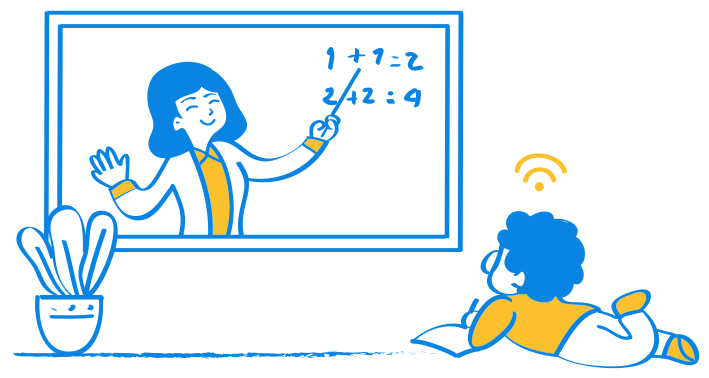
A teacher is more than someone who explains a topic at the board. Teachers help students figure out what they are interested in, teach them to think, argue and not be afraid of mistakes. You probably remember a teacher whose lessons suddenly made a subject click. If you enjoy explaining things to others, you are patient and you are curious about how people learn, think about teaching.

Teacher

A teacher's work does not end when the bell rings. There are lessons to plan, work to mark, parents to talk to, clubs to run and ways to keep a class engaged. It can be hard, since every student needs their own approach. But few jobs let you see so clearly how your work changes someone's life. Whether you teach young kids or seniors, every age brings its own rewards.

What the job involves

  • Plans and teaches lessons in their subject
  • Checks homework and tests and gives grades
  • Helps students who fall behind and coaches strong ones for olympiads
  • Talks with parents and leads homeroom sessions
  • Keeps the electronic gradebook and school records

Skills you need

  • Subject knowledge

    To handle unexpected questions, you need to know your subject well beyond the school textbook.

  • Explaining clearly

    It matters to break a complex idea into simple steps and find examples that make sense.

  • Patience

    Not everyone gets it the first time, so a teacher calmly explains as many times as needed.

  • Organization

    Lessons, marking and school events all require careful time planning.

  • Emotional intelligence

    A teacher needs to read the mood of the class and support a student at the right moment.

Who it suits

Personality types

Strong intelligences

  • Linguistic
  • Interpersonal
  • Intrapersonal

Where to study

In Kazakhstan, teachers train at pedagogical universities such as Abai Kazakh National Pedagogical University and Kazakh National Women's Teacher Training University in Almaty. A bachelor's degree usually takes four years. Your UNT subjects depend on what you will teach: a future math teacher takes math and physics, a Kazakh language teacher takes Kazakh language and literature.

For primary school and preschool education, there is a route through pedagogical colleges, which accept students after grade 9 or 11. During their studies, students do teaching practice in schools, and after graduation they start work with support from a mentor. Many teachers later go on to a master's degree or take professional development courses.

Outlook

Teachers are needed in every city and village in Kazakhstan: public and private schools, gymnasiums, lyceums, colleges, kindergartens and after-school learning centers. Teachers who can teach in more than one language are especially valued. Experienced teachers move on to become deputy heads, principals, curriculum specialists or private tutors.

Frequently asked questions

Which UNT subjects do I need to become a teacher?

It depends on the subject you want to teach. For example, a future math teacher takes math and physics as profile subjects, while a Russian language teacher takes Russian language and Russian literature.

Can I become a teacher after college?

Yes, pedagogical colleges train primary school teachers, kindergarten teachers and some other specialists. To teach a specific subject in upper grades, you usually need a bachelor's degree.

Can an introvert be a good teacher?

Yes. Teachers do talk a lot, but introverts often plan lessons carefully, listen closely to students and create a calm atmosphere in class. Interest in people and in your subject matters more than personality type.

Is this career right for you?

Take the MBTI and Gardner tests: the report shows which directions fit you personally.

Take the free test