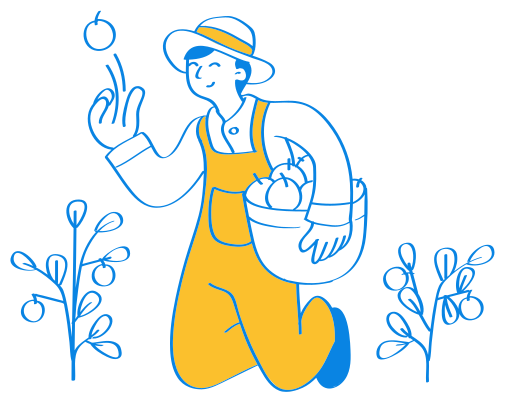
Agronomist

Kazakhstan is one of the big grain-growing countries, and behind every wheat field, greenhouse or orchard there is an agronomist. This person knows how to grow a good harvest: when to sow, how to feed plants and how to protect them from diseases and pests. If you like biology and nature and do not want to sit in an office all day, take a closer look.

Agronomist

A modern agronomist is not just someone in boots walking across a field. Farms now use drones, satellite images, soil moisture sensors and software for planning crops. An agronomist analyzes a lot of data, makes decisions based on the weather and gives tasks to machine operators and workers. It suits people who like to see the real results of their work.

What the job involves

  • Inspects fields and checks the condition of crops
  • Takes soil samples and chooses fertilizers
  • Plans sowing and harvesting dates
  • Spots plant diseases and pests and picks a treatment
  • Keeps records and reports on crop yields

Skills you need

  • Biology and chemistry

    Understanding how plants grow and how soil and fertilizers affect them.

  • Observation

    Noticing a problem from the look of a leaf or an ear of wheat before it gets serious.

  • Analytical thinking

    Comparing data on weather, soil and harvests and drawing conclusions.

  • Organization

    Planning work around deadlines and assigning machinery and people.

  • Stamina

    Being ready to spend long hours in the field in any weather, especially in season.

Who it suits

Personality types

Strong intelligences

  • Naturalistic
  • Logical-mathematical
  • Bodily-kinesthetic

State grants 2026

Main competition, full-time study. Quotas and separate state orders can have lower scores. Check your chances

Where to study

In Kazakhstan, agronomy is taught at agricultural universities, and a bachelor's degree takes 4 years. Well-known options include the Kazakh National Agrarian Research University in Almaty and the Saken Seifullin Kazakh Agrotechnical Research University in Astana. Regional universities, especially in the north and south of the country, also offer agricultural programs.

Another route is an agricultural college after grade 9 or 11, which trains agronomy technicians in 2 to 4 years. After college you can start working and later enter a university on a shortened program. Both routes include a lot of practice on test fields and farms, so you will find out early whether this work is for you.

Outlook

Agronomists work for family farms, large agricultural holdings, greenhouse complexes, seed and fertilizer companies, research institutes and government services. Farming in Kazakhstan is adopting new technology, so specialists who understand both plants and digital tools are especially valued. Many jobs are in the regions, but there are also office roles in cities.

Frequently asked questions

Which UNT subjects do I need to become an agronomist?

Agricultural programs usually require biology paired with chemistry or geography. Check the exact subject pair for your program in the official list for the year you apply.

Will I have to live in a village?

The job often involves trips to the fields and living closer to the farm, especially during the season. There are also city-based roles in labs, research institutes, agricultural companies and consulting.

Is this job only for people who grew up in the countryside?

No, a city student can become an agronomist too. What matters most is an interest in biology and nature and a willingness to learn a lot through practice.

Is this career right for you?

Take the MBTI and Gardner tests: the report shows which directions fit you personally.

Take the free test